

I recently had one of those days where nothing seemed to go smoothly – a string of mishaps that kept piling on. The kind of day where you can physically feel it pulling you down, and you know that if you don’t stop the depression from getting a foothold, the whole week goes with it.
It stirred up the memory of a particularly hectic day that I wrote about back at the end of 2022 (funny how certain moments stay crystal clear over the years). As it came rushing back, I decided I should revisit what I took away from the experience.
I remember thinking the day had barely started when:
- The dog threw up on my new area rug.
- While trying to clean it up, I upended a tray of drinking glasses, which crashed against the tile floor, sending shards and jagged pieces scattering everywhere.
- My partner and I spent an exhausting amount of time searching for his “lost” mobile phone, only to eventually discover that I had absentmindedly slipped it into my robe pocket earlier, mistaking it for mine.

We all have days like that – you can probably think of a handful of similar moments where everything seems to go sideways all at once. And honestly, it’s rarely the big dramatic catastrophe that gets you. It’s the stress that piles on without you realizing, one small thing after another, until you’re suddenly snapping at the people you love over a misplaced phone. How we move through them makes all the difference in how we carry those memories in the years to come.
When The Straw Breaks The Camel’s Back (And Yours)
These aren’t life-or-death situations. They’re inconveniences, little aggravations that pile up. But if we don’t discharge that accumulating frustration, it can pull us into a vortex of heaviness and discouragement. Frustration builds, motivation sinks, and soon the energy around us starts to feel heavier.
You don’t even notice the overwhelm until it’s already moved in, like a houseguest who showed up without asking and has no plans to leave. And then, sometimes, it’s not just minor things that go wrong. It can be bigger disruptions: losing a job, heartbreak, failing a critical exam, or having a painful argument.
Sometimes you’re standing in the kitchen, glass everywhere, and you realize the frustration isn’t about the glass. It’s about old trauma sitting right underneath the surface, and the glass just cracked the lid on it.
You know the old saying, “It was the straw that broke the camel’s back.”
I believe many of us continue forward with a figurative “broken back” until we simply can’t anymore – which can slide into true unhappiness, or what we call depression. Research from the World Health Organization confirms that depression is now a leading global health concern, affecting hundreds of millions of people, and it almost never shows up overnight. Clinically, depression shows up as persistent hopelessness, poor concentration, lack of energy, trouble sleeping, and sometimes even darker tendencies.
And then there’s the shame and guilt for not handling it better, that whispering voice that says everyone else manages fine, so what’s your problem? That voice is a liar, by the way. Right behind it, if you sit still long enough, you’ll usually find a fear of falling apart if you actually feel it. Too scared to go in, too exhausted to keep pretending everything’s fine.
Of course, we don’t arrive here overnight. It’s usually a long sequence of discouragements, disappointments, and despair that gradually lead us into that darker state. Tiny things, emotional triggers that blindside you on a Tuesday, a song, a smell, a phone ringing at the wrong time, and suddenly you’re not where you thought you were anymore.
You Actually Can Stop The Depression Before It Settles In
But here’s the good news: you do have the power to interrupt that downward spiral. You really can stop the depression before it kicks off its shoes and makes itself at home in your life.
One of the best tools I know is meditation. It’s a way to reset and clear the mind of that pent-up stress energy. Now, I know some of you may have tried meditation because everyone talks about it (and yes, here I am adding to the chorus), but found it difficult to sit still and go inward.
I completely understand that feeling. I struggled too. That’s why, in my Emotional Liberation method, you don’t have to sit still. With active and expressive breath and movement patterns, you engage with whatever emotion is pounding at the door of your mind. The whole practice is built around emotional liberation through breath and movement, meeting you exactly where you are, not where some influencer’s morning routine says you should be.
For example, you can try this: “What Emotion Are You Feeling and Why?” Even trying it once can surprise you. You start to feel where your body has been quietly holding stress, the jaw, the chest, the shoulders, all the places where today’s frustrations have been parking themselves without permission.
Practices like this help release the negative buildup from all those small and large stressors that accumulate. You can also incorporate cannabis plant medicine to deepen your practice – just be mindful not to overdo it. The goal is to amplify your awareness, not to numb it.
Having a reliable reset plan is essential for navigating the everyday ups and downs that life throws our way – whether it’s minor frustrations or moments that truly test us. The more we practice, the more resilient we become.
Do you relate to what I’m sharing? Drop into the comments and let me know about your own experience.
With Love,
Becca
P.S. My upcoming Emotional Liberation course is designed for exactly this kind of “life piling on” energy – the moments and memories that weigh us down if we don’t clear them. If you’re ready to embrace these real-life tools to reset before the spiral takes hold again, click here to join the interest list and I’ll keep you posted as soon as enrollment opens.
Join the conversation
This piece is part of an ongoing conversation over on Facebook, where our community gathers. Add your voice there — or, if you’d rather share something just with Becca, send a private note.
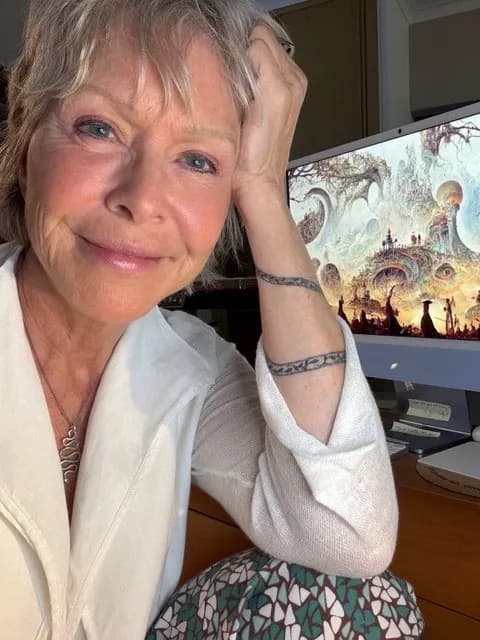
Becca Williams
Emotions Therapist & Registered Dietitian
An Emotions Therapist, Registered Dietitian/Nutritionist, educator, group facilitator, and longtime plant medicine advocate.
More about Becca